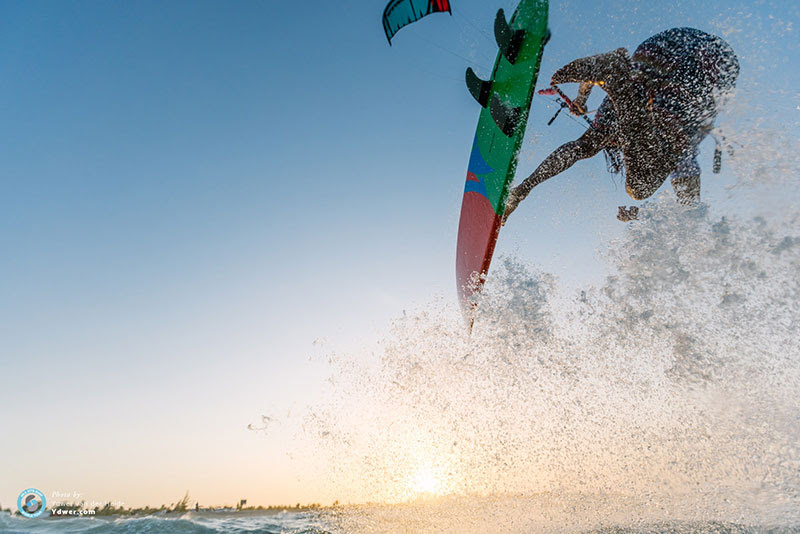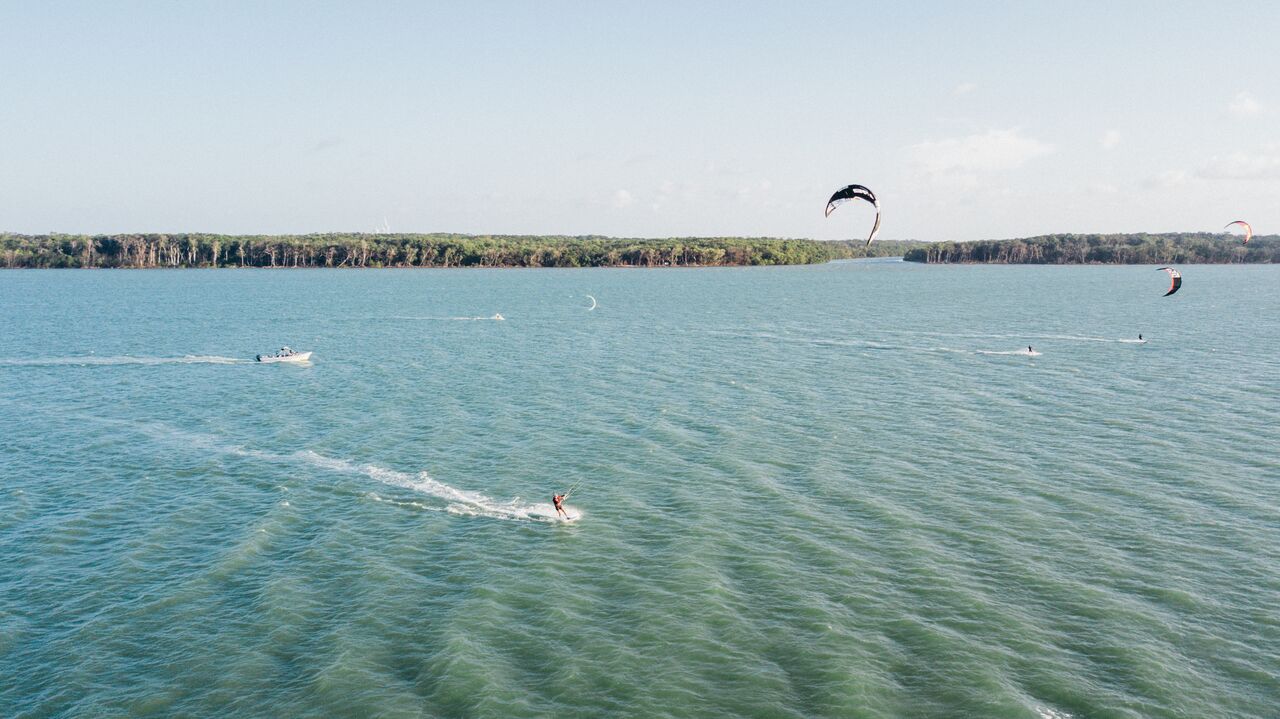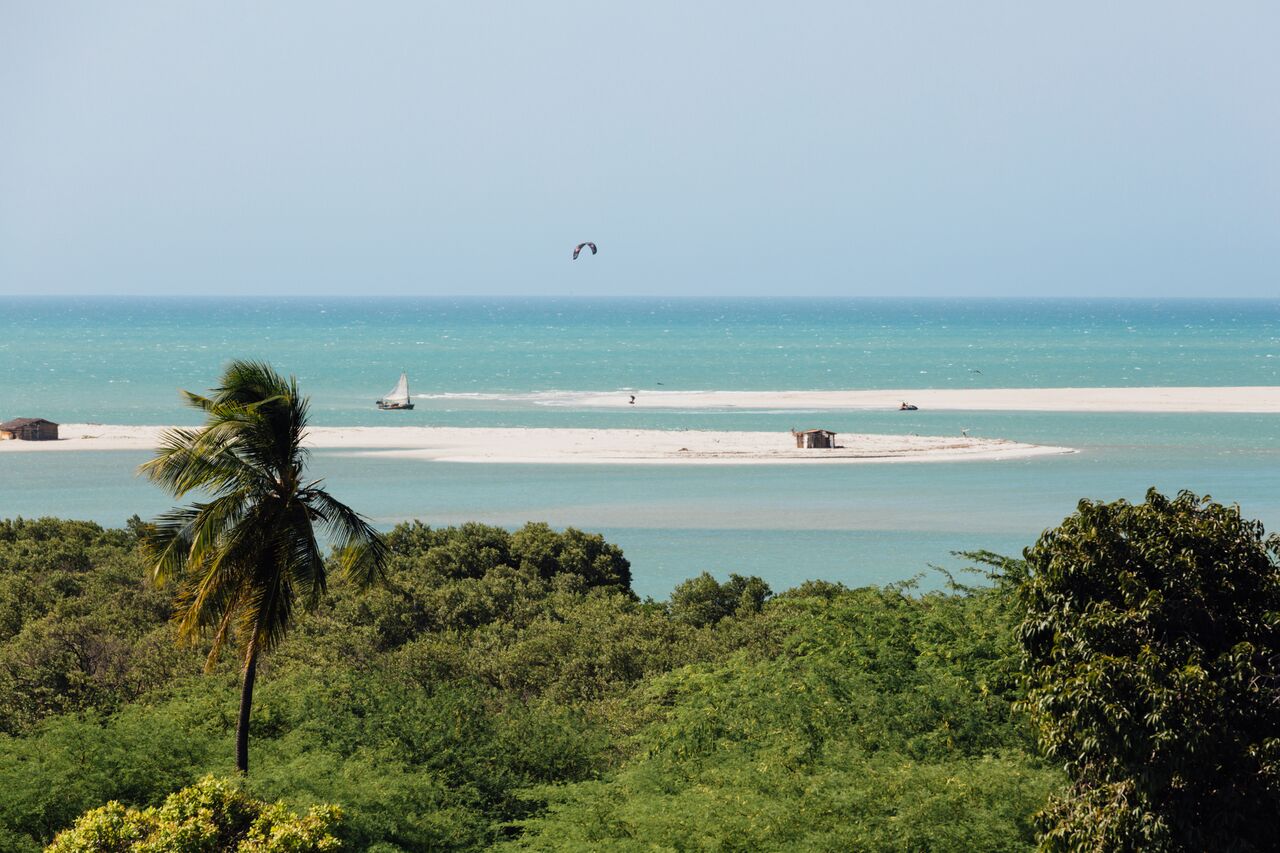
North-east Brazil has the most reliable kitesurfing wind on the planet from July to January — a coast of lagoons, flat water and endless downwinders strung between fishing villages. Rio sits 2,000 km to the south and is a different holiday entirely, which is exactly why it is worth two or three days on the way through.
The wind is the point
People go to Brazil for one reason above all others: it blows, and it keeps blowing. Through the core season the trade winds along the north-east coast are steady rather than gusty, arriving mid-morning and holding into the evening, day after day. It is the closest thing in kitesurfing to a guarantee.
What that reliability buys you is progression. A week in Brazil is a week of actual riding, not a week of watching the forecast.
Where to ride
| Spot | Water | Best for |
|---|---|---|
| Ilha do Guajiru | Huge flat lagoon | Freestyle, improvers, the classic all-rounder |
| Preá | Flat and choppy, plus dunes | Good hotels, close to Jericoacoara |
| Cumbuco | Lagoons and beach break | Easy access from Fortaleza, lively |
| Atins | River, lagoons and dunes | The remote one — Lençóis Maranhenses |
| Taíba | Flat lagoon and wave | Quieter base, strong wind |
The full list, and how the villages connect for downwinders, is on the Brazil kitesurfing holidays page.
Downwinders
The downwinder is Brazil’s signature. You ride downwind along the coast from one village to the next while a support vehicle shadows you with your gear and lunch. It can be an afternoon between two spots or a multi-day trip covering hundreds of kilometres, sleeping somewhere different each night.
It is also the thing people come back for. Riding 40 km of empty coastline past dunes and fishing boats is a different sport from doing laps at your local beach.
Adding Rio — and doing it properly
Rio is not a kite destination and should not be sold as one. It is 2,000 km south of the kite coast, and the wind is not why you go. But if this is your first trip to Brazil, flying home without seeing it is a waste of a long-haul flight.
Two or three days is enough for the things that matter: Christ the Redeemer and the cable car up Sugarloaf; the mosaic promenade at Copacabana and the beaches at Ipanema and Leblon; Tijuca Forest, the largest urban rainforest in the world; the colonial streets and artist studios of Santa Teresa. Add Lapa in the evening if you want the samba version.
The practical advice: put Rio at the start or the end, never in the middle. Breaking a kite week in half to fly 2,000 km and back costs you the two best wind days of the trip. An internal flight between Rio and Fortaleza is short and frequent, so bolting it onto one end is easy.
Who Brazil isn’t for
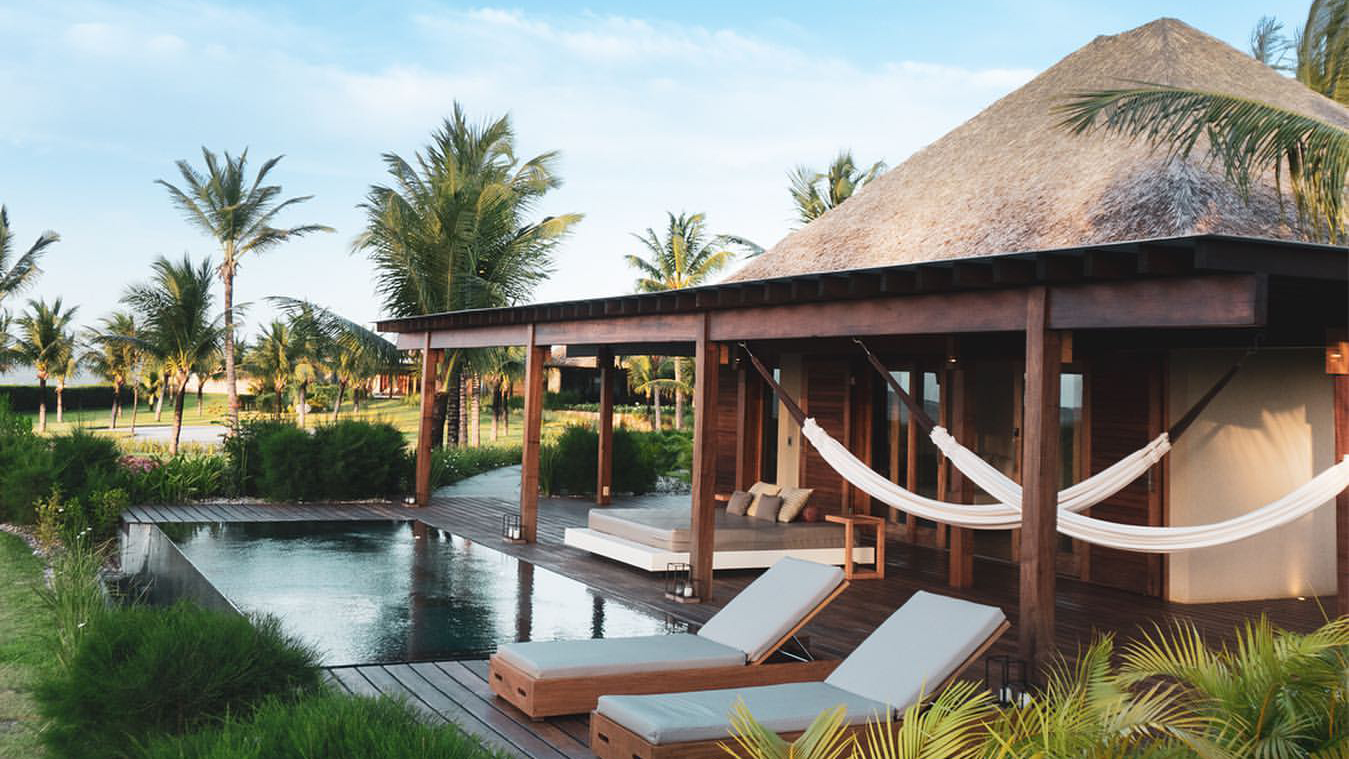
It is a long way, and the transfers at the far end are real — several hours of road from Fortaleza to some of the better villages. The accommodation is pousadas and small hotels rather than international resorts, which most people prefer but some do not. And there is not much for a non-kiting partner beyond beach, hammock and caipirinha; if that is not enough, Mauritius or the luxury end of the range is the better call.
If you already ride independently and you want wind you can count on, there is nowhere better between July and January.
Planning a Brazil trip?
Downwinder or a single base? Which village, which month, and is Rio worth adding to your dates? Tell us your level and when you can travel and we will map out a route, with flights, internal legs, transfers and pousadas priced as one trip.
Free, with no obligation and no booking fee. We’re a UK tour operator, trading since 2001 —
every resort we sell has been ridden by one of our own team. Mon–Fri, 09:00–18:00 UK ·
5★ on Google from 190+ reviews · ATOL protected (T7314) and Travel Trust Association members.
Frequently asked questions
When is the kitesurf season in north-east Brazil?
Roughly July to January, when the trade winds blow most consistently. August to December is the core of it, with very high wind reliability — many spots average well over 25 days of rideable wind a month in that window.
What is a Brazilian downwinder?
You ride downwind along the coast from one spot to the next, with a support vehicle meeting you and carrying your gear, food and passport. Trips run from a single afternoon between two villages to multi-day journeys covering hundreds of kilometres of coastline.
Do I need to be advanced to kitesurf in Brazil?
No, but you should be riding upwind independently. The wind is strong and steady rather than gusty, which is forgiving, and there are flat lagoons for improvers. Complete beginners can learn here, but the shore break at some spots makes gentler destinations easier for a first week.
Is Rio worth adding to a kitesurf trip to Brazil?
If it is your first time in Brazil, yes. The kite coast is 2,000 km north-east of Rio and the two are entirely different experiences. Two or three days in Rio at the start or end costs one internal flight and turns a kite trip into a proper trip to Brazil.
How do I get to the Brazilian kite spots from the UK?
Most routes go via Lisbon or Amsterdam to Fortaleza, which is the gateway for the main kite coast, with transfers from there to the villages. If you add Rio, an internal flight between Rio and Fortaleza is short and frequent.
Brazil is fifth in our guide to the best kitesurfing holidays, which has the best months for every place we sell.