Sri Lanka has two kite seasons and they are not equal. The south-west monsoon from May to September is the main one — strong, consistent, and the reason Kalpitiya exists as a kite destination. The north-east monsoon from December to March is lighter and more variable but coincides with the European winter. The water is around 28°C in both, and nobody wears a wetsuit.
Where the kiting is
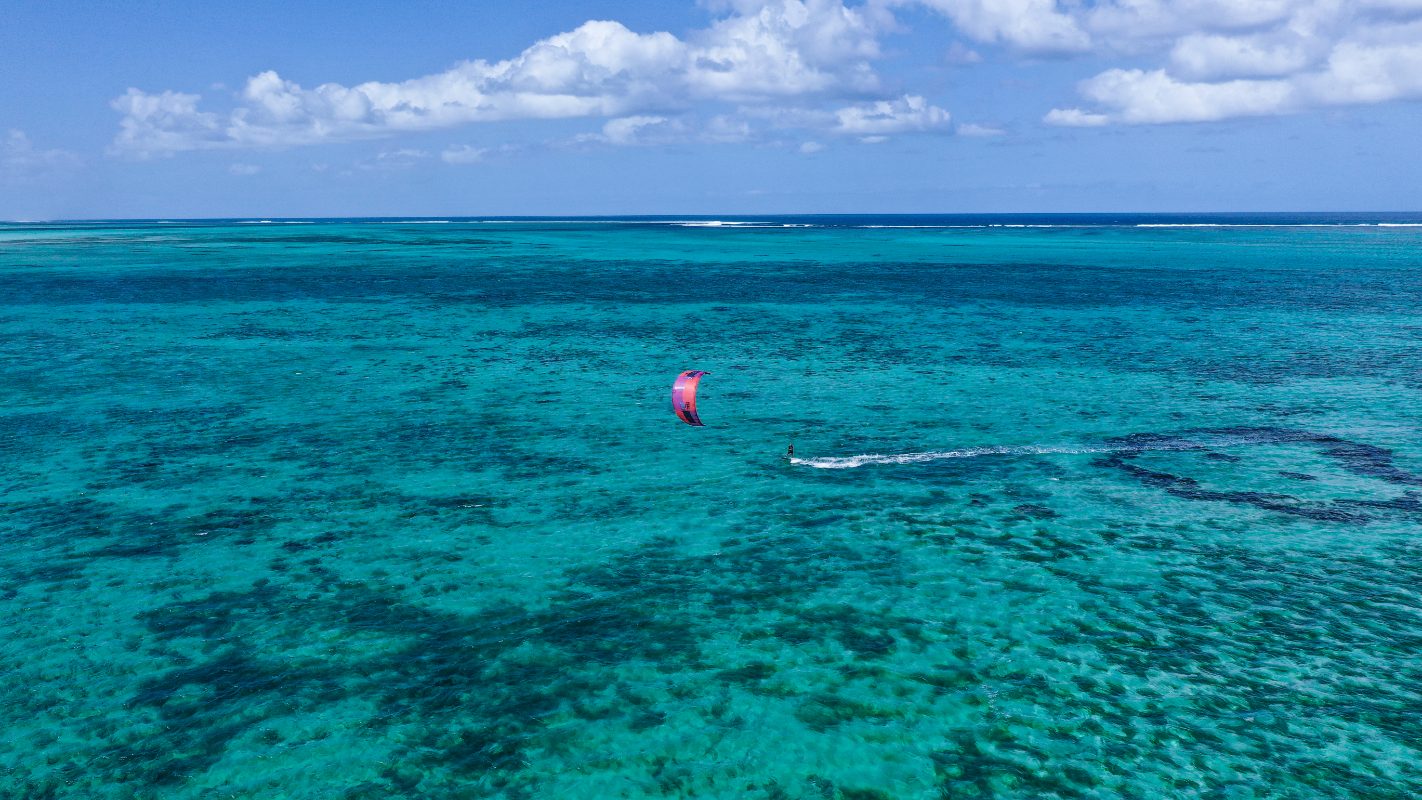
Almost all of it is around Kalpitiya, on the north-west coast about three and a half hours’ drive from Colombo. The geography is the whole story: a long peninsula shelters a shallow lagoon from the open Indian Ocean, so you get flat, waist-deep water with a strong cross-shore wind running over it.
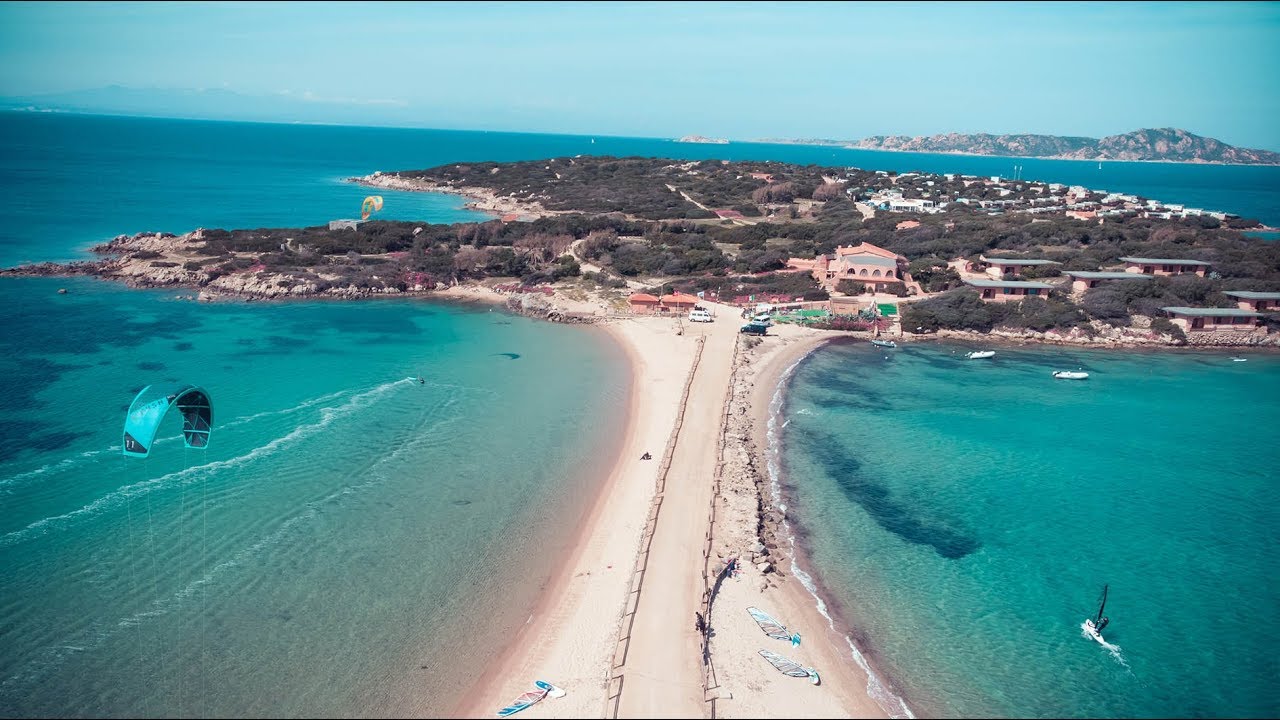
Kalpitiya is a cluster of spots rather than one beach. The main lagoon is the everyday option. Vella Island and the sandbars further out are day trips by boat, reachable when conditions allow, and are the flattest and emptiest water in the region. There are downwinders along the coast that are among the better ones anywhere.
Further north, Mannar is the quieter alternative for riders who have already done Kalpitiya and want more space.
The two seasons
| South-west monsoon | North-east monsoon | |
|---|---|---|
| Months | May – September | December – March |
| Wind | Strong and consistent, typically 18–28 knots, most days | Lighter, typically 12–20 knots, more gaps |
| Reliability | The main season. This is what Kalpitiya is known for | Good but not guaranteed — expect some days off |
| Weather | Dry on this coast, even though the south is wet | Dry and hot |
| Suits | Riders who want maximum water time | Riders escaping the European winter, and mixed trips |
The counter-intuitive part is the rain. The south-west monsoon is what soaks the southern and western coasts of the island — but Kalpitiya sits in a dry belt on the north-west, so its main wind season is also largely dry. People who look at a generic “when to visit Sri Lanka” guide and see “monsoon: avoid” often rule out exactly the right months.
What the riding is like
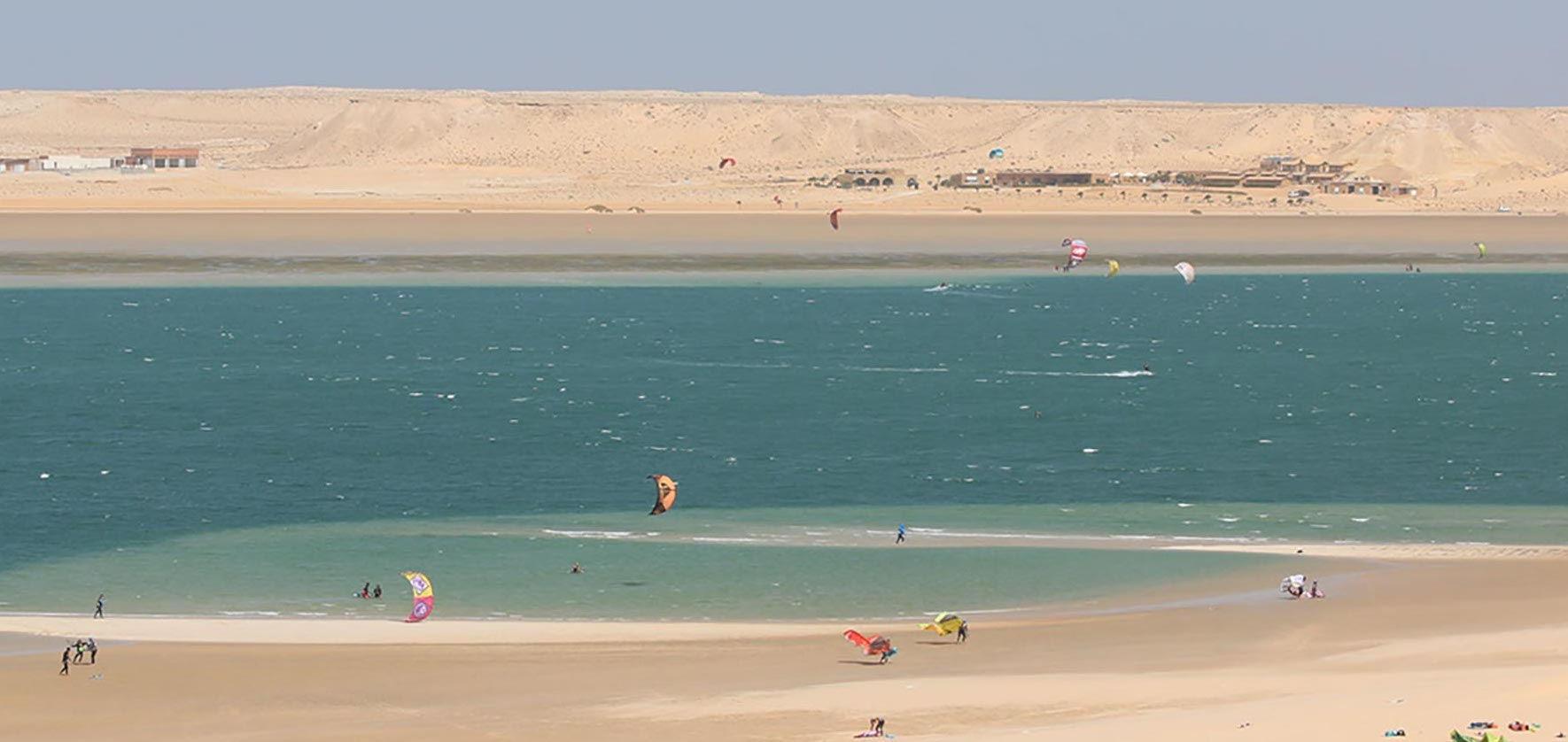
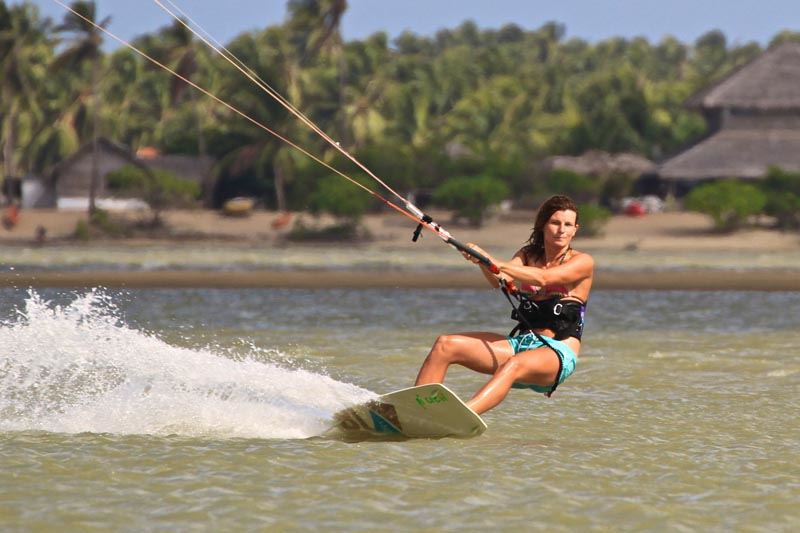
Flat. That is the headline. Large parts of the lagoon are standing depth, the bottom is sand, and the wind is side to side-onshore. If you are trying to learn, or trying to land your first unhooked trick, this is close to ideal water.
It is also warm enough that the usual barrier to long sessions disappears. At around 28°C you can stay out until your arms give up rather than until you get cold, which in practice adds hours to your week.
The trade-off is that it is remote. Kalpitiya is a fishing area with kite camps attached, not a resort town. That is a large part of the charm and it is also why some people find it long.
The rest of the island
This is where Sri Lanka pulls ahead of most kite destinations. A week of kiting can be bolted onto a country that is worth travelling in: Wilpattu national park is close by, the cultural triangle at Sigiriya and Dambulla is a few hours away, the hill country and the tea estates are further south, and the southern surf coast runs a completely different season.
For a two-week trip (one week riding, one week travelling) there is not much competition. Very few kite destinations have a country like this attached to them.
Practicalities
| Item | Detail |
|---|---|
| Airport | Colombo (CMB). Roughly 3–4 hours by road to Kalpitiya |
| Flight time from UK | Around 11 hours direct, longer with a connection |
| Water | ~28°C year round. No wetsuit, but a rash vest and serious sun cover |
| Kit | A mid-size kite does most of the work in the main season. Most riders bring 9m and 12m |
| Boat trips | Vella Island and the outer sandbars are worth building into the week |
Who this isn’t for
Anyone who wants waves. Kalpitiya is flat-water riding and that is the entire proposition. The surf is on the other side of the island, in a different season.
Anyone who wants similar flat water on a shorter flight. Soma Bay gives you standing-depth lagoon riding five hours from the UK rather than eleven, and it is the honest comparison to make before booking.
Anyone who wants a short flight. Eleven hours plus a long transfer is a real commitment for one week, and we usually suggest at least ten days to make the travel worth it — or pairing it with time elsewhere on the island.
And anyone who wants nightlife and choice. The camps are friendly and the food is good, but the evening options are the camp you are staying at.
Who it suits: a rider who wants long, warm, flat-water sessions in the European summer, and who would enjoy the country as much as the kiting. See the full Sri Lanka options, or the wider learn-to-kitesurf collection if this would be your first trip.
Frequently asked questions
When is the best time to kitesurf in Sri Lanka?
May to September is the main season, driven by the south-west monsoon, with strong and consistent wind of roughly 18 to 28 knots on most days. December to March is a lighter secondary season that suits riders escaping the European winter.
Does it rain during Kalpitiya’s main kite season?
Largely no, and this is the most common misunderstanding. The south-west monsoon soaks the south and west of the island, but Kalpitiya sits in a dry belt on the north-west coast, so its windiest months are also mostly dry.
Is Kalpitiya good for beginners?
Very. Large parts of the lagoon are standing depth with a sandy bottom and side to side-onshore wind, and the water is around 28 degrees, so sessions end when your arms tire rather than when you get cold.
How far is Kalpitiya from Colombo airport?
Roughly three to four hours by road, heading north up the coast. Flights from the UK are around eleven hours direct, so we usually suggest at least ten days to make the travel worthwhile.
Are there waves at Kalpitiya?
No. Kalpitiya is flat-water lagoon riding and that is the whole proposition. Sri Lanka’s surf is on the south and east coasts, in different seasons.
Kalpitiya, or Kalpitiya plus the rest of the island?
Most people who fly this far are better off with ten days or two weeks. Tell us your dates and we will build the kiting and the travelling into one trip.
Free, with no obligation and no booking fee. We’re a UK tour operator, trading since 2001 —
every resort we sell has been ridden by one of our own team. Mon–Fri, 09:00–18:00 UK ·
5★ on Google from 190+ reviews · ATOL protected (T7314) and Travel Trust Association members.