Kitesurfing Zanzibar: Two Seasons, Big Tides and What to Know First
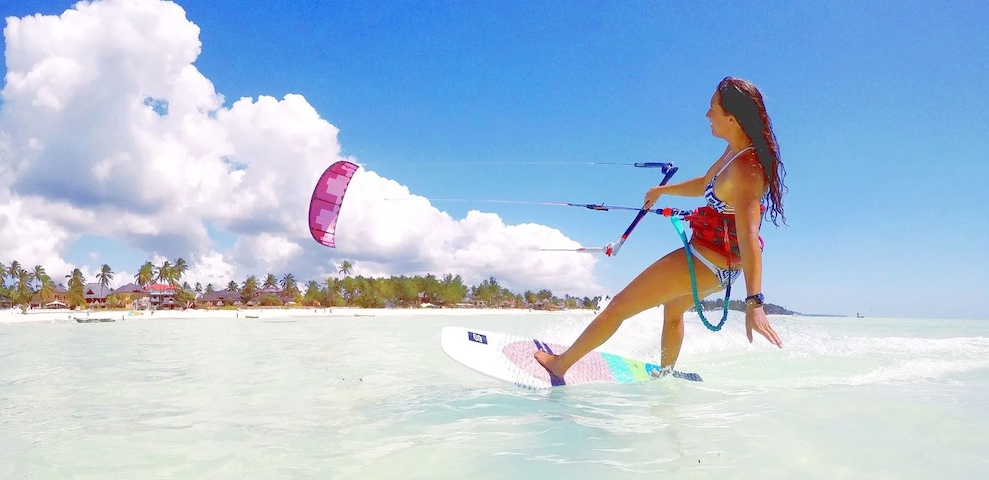
Zanzibar has two separate kite seasons (the Kaskazi from December to March and the stronger Kusi from June to September) and a tidal range large enough that it, not the wind, decides when you ride. The main spot is the Paje lagoon on the east coast: flat, shallow, reef-protected, and largely empty of water at low tide. Bring booties.
The two seasons
Most destinations have one season. Zanzibar has two, separated by two dead patches, and picking the wrong month is the easiest way to waste a long-haul flight.
| Period | Wind | Character |
|---|---|---|
| Dec – Mar | Kaskazi, north-east | Warmer, slightly lighter, generally quieter. Good for improvers. |
| Apr – May | Little to none | Long rains. Not a kite trip. |
| Jun – Sep | Kusi, south-east | Stronger and more reliable. The peak season, and busier. |
| Oct – Nov | Transitional | Unreliable. Fine for a beach holiday, not for kiting. |
The tide is the real planner
This is what nobody tells you until you arrive. Paje sits behind a reef with a big tidal range, and at low water most of the lagoon drains, leaving exposed seagrass, coral heads and a narrow strip of rideable water.
The practical consequence: your riding window moves through the week. One day you are on the water at nine in the morning, three days later the good tide is late afternoon. The wind can be perfect and you still wait. It is not a problem — it is just something to plan around rather than discover.
It also means booties, not bare feet. Sea urchins, coral and seagrass are all part of the walk out.
Who it suits — and who it doesn’t
It suits intermediates who want warm, flat, turquoise water and a proper holiday around it; anyone travelling with a non-kiting partner, because Zanzibar is a great destination in its own right; and riders who like a spot with atmosphere — Paje has a real scene.
It suits less well a complete beginner on a one-week trip. The tide-dependent window cuts your usable hours, and when you are learning, hours are the whole game. Learn somewhere you can ride whenever it blows — Dakhla or Lo Stagnone — and come to Zanzibar once you can use the good tide when it arrives. See learn to kitesurf holidays.
Off the water
Stone Town is a UNESCO World Heritage site and worth a night on its own. There are spice farms, Jozani forest with its red colobus monkeys, dhow trips at sunset, and a coastline of white sand that needs no defending. It is one of the few kite destinations where the non-kiting half of a couple gets the better end of the deal.
For the full picture including where to stay, see Tanzania kitesurfing holidays.
Planning a Zanzibar trip?
Kaskazi or Kusi, which end of Paje, and how the tides fall in your travel window — those three things decide whether this is a great week or a frustrating one. Tell us your dates and level and we will check the tide tables against them before you book.
Free, with no obligation and no booking fee. We’re a UK tour operator, trading since 2001 —
every resort we sell has been ridden by one of our own team. Mon–Fri, 09:00–18:00 UK ·
5★ on Google from 190+ reviews · ATOL protected (T7314) and Travel Trust Association members.
Frequently asked questions
When is the kitesurf season in Zanzibar?
There are two. The Kaskazi runs roughly December to March from the north-east, warmer and slightly lighter. The Kusi runs roughly June to September from the south-east and is the stronger, more reliable of the two. April, May, October and November are the gaps and are not worth planning a kite trip around.
How do the tides affect kitesurfing in Zanzibar?
Enormously, and this is the thing to understand before you book. Paje has a large tidal range and the lagoon largely empties at low water, leaving a shallow inner section and exposed seagrass and coral. Riding is tide-dependent, so your session times move through the week with the tide.
Is Zanzibar good for beginners?
At mid to high tide, yes — the lagoon is flat, shallow and protected by the reef, and the schools at Paje are well established. But because riding is tide-dependent, a beginner gets fewer usable hours per day than at a destination like Dakhla or Lo Stagnone where you can ride whenever the wind blows.
Do you need booties in Zanzibar?
They are strongly recommended. The lagoon bottom has seagrass, sea urchins and patches of coral, and at low water you will be walking on it. Most regulars ride in booties and are glad they did.
Is there much to do besides kitesurfing?
Yes, and this is one of Zanzibar’s real strengths. Stone Town is a UNESCO World Heritage site, there are spice farms, Jozani forest, dhow trips and some of the best beaches in the Indian Ocean. It works well as a trip where only one person kites.